
Mosquitoes top the list of the top ten deadliest animals
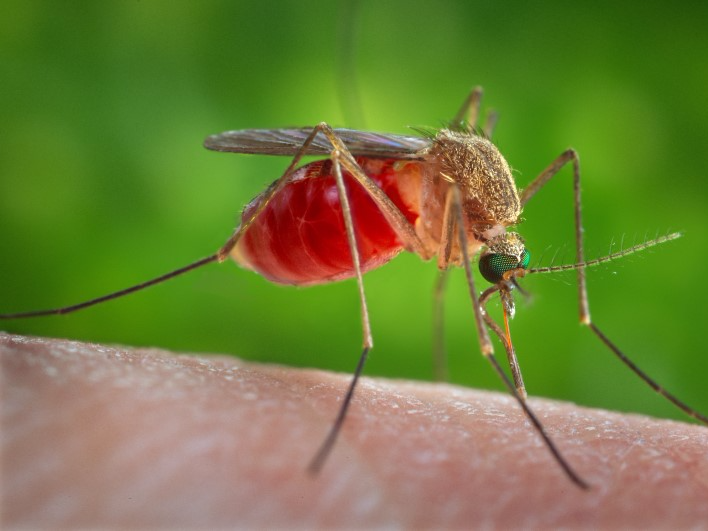
The renowned American website “Life Science” recently released a “Top Ten Animals” ranking after extensive research with experts and readers. Surprisingly, the tiny mosquito ranked highly, followed closely by the Asian cobra, box jellyfish, great white shark, African lion, Australian saltwater crocodile, polar bear, African buffalo, poison dart frog, and others. In this era of human dominance, these animals have their place on the list for a reason. Let’s re-examine their deadly weapons!
One of the deadly weapons: “Viral Bombs”
To humans, mosquitoes are considered the animal kingdom’s top “terrorists,” their specialty being biological weapons. Their high ranking isn’t due to their inherent ferocity, but rather their ability to deliver “viral bombs”—malaria parasites—while sucking blood. Over two million people die from mosquitoes each year. Among all deadly animals, mosquitoes are rare and unprotected. Kill them now! Deadly
Weapon #2: Psychedelic Poisons
Most venomous animals are small and perhaps even fragile. Evolving a venomous organ may have been a beneficial strategy for their survival. As human expansion expands, these previously rare and highly venomous animals have become a potential threat. The venom of the cobra has been recognized throughout history, and its second-most venomous species is well-deserved. A cobra bite causes numbness and ultimately a coma, resulting in death. Approximately 50,000 people die from cobra bites each year. Many are unfamiliar with the third-most venomous animal in the ocean, the Australian box jellyfish. This jellyfish can have up to 60 tentacles, each measuring 4.6 meters in length. The upper portion of each tentacle contains over 5,000 stinging cells and enough venom to kill 60 people within minutes. The blue poison dart frog with golden markings is found only in the humid rainforests of South America. Poison dart frogs have venom glands distributed across their skin. Their highly potent toxins can disrupt the nervous system, causing death in other animals.
Deadly Weapon Three: Bloodthirsty Claws
The American horror blockbuster “Jaws” propelled the lesser-known great white shark to the forefront of deadly animal life, as it is the most aggressive of all shark species. Within its maw, 56 serrated teeth arranged in seven rows can effortlessly slice through any meat. They bite their prey, then swing their heads back and forth, slicing through the flesh like a saw. Lions, known as the “king of beasts,” are no strangers to humans who dare cross them. During the nine months of construction of the Kenyan railway, 135 people lost their lives, all victims of man-eating lions. Among carnivores, lions have teeth well-suited for biting, with a pair of sharp teeth in each jaw that act like the two blades of a pair of scissors. Australian saltwater crocodiles can remain motionless in the water, waiting for passersby to approach them. In the blink of an eye, they pounce on their prey, dragging it underwater to drown, dismembering it, and finally feasting on its delicious meal. These crocodiles clamp their jaws tightly around their prey, lashing them out with powerful force, their jaws closing at an astonishing 1/25 of a second.
Deadly Weapon Four: Brutal Strength
In a world plagued by poachers and deteriorating natural conditions, some large animals are more easily provoked, becoming feral and ferocious. We often portray elephants as helpful companions, but it’s important to note that not all elephants are so docile and friendly. Perhaps it’s their close proximity to humans that makes them such lethal killers. Worldwide, over 500 people die each year from elephant attacks, many more in the gruesome traps of elephants. Polar bears are the largest of the bear family and are considered the “King of the Arctic.” Aside from humans, they have few natural predators. Their immense strength can kill a human with a single blow, and every year, people who intrude into polar bear territory are mauled to death by polar bears. African buffalo are considered one of Africa’s most dangerous animals, and injured ones will attack with their sharp horns. Once widespread across sub-Saharan Africa, they roamed wherever there was water and plenty of grass. However, the rinderpest outbreak in Africa in the late 19th century tragically decimated many buffalo, leading to a sharp decline in their numbers. Even a direct encounter with a herd of buffalo can still be fatal!