
How to choose an effective disinfection method?
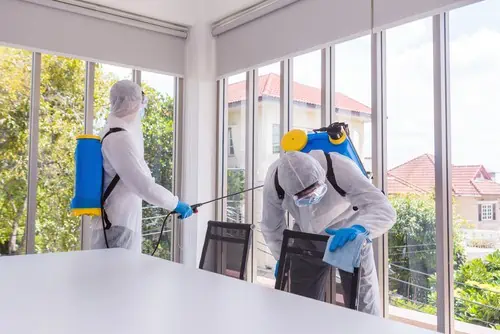
To ensure that disinfection work proceeds smoothly and achieves the best possible results, it is necessary to select appropriate methods according to specific conditions. Generally, the following factors should be considered:
(1) Type of Pathogen
Different pathogens have different characteristics and levels of resistance to disinfection methods.
For example, bacterial spores are highly resistant to most disinfection procedures and require powerful sterilizing agents, heat, or radiation to achieve satisfactory results. Therefore, they are often regarded as the most difficult microorganisms to eliminate.
Mycobacterium tuberculosis is sensitive to heat disinfection but more resistant to ordinary chemical disinfectants than most bacteria. Fungal spores resist ultraviolet light but are relatively easy to kill with ionizing radiation.
Enteric viruses have similar resistance to peracetic acid as bacterial vegetative cells but are unaffected by quaternary ammonium compounds. Botulinum toxin is easily destroyed by alkalis but resistant to acids.
As for other bacterial vegetative forms, viruses, spirochetes, mycoplasmas, chlamydiae, and rickettsiae, they are generally less resistant to disinfection and can be effectively destroyed by common disinfection methods.
(2) Nature of the Object to Be Disinfected
The same disinfection method may yield different results on different materials.
For smooth, painted walls, disinfectant sprays may not adhere well, so washing or wiping is preferable. For rough surfaces, sprays work better since the liquid can stay longer on the surface.
Ethylene oxide fumigation is effective on materials that easily absorb chemicals (such as cloth or paper), but for metal surfaces, exposure time must be extended.
Disinfection of feces or sputum should avoid protein-coagulating agents because coagulated proteins can protect pathogens.
Although high-pressure steam sterilization is effective, it is unsuitable for fur, plastics, or synthetic fibers.
Using ethylene oxide on celluloid products, high-concentration peracetic acid or chlorine disinfectants (like bleach) on cotton fabrics, or long-term Lysol soaking on latex gloves can cause damage.
For food and tableware, toxic or foul-smelling disinfectants must not be used.
(3) Characteristics of the Disinfection Site
Local environmental conditions should be considered.
For indoor disinfection, well-sealed rooms can use fumigation, while poorly sealed rooms should rely on wiping or spraying.
In well-ventilated rooms, air exchange or ventilation can serve as disinfection. In areas with poor ventilation or where contaminated air accumulates, fumigation and spraying should be used.
In densely populated areas, strong irritant gases should be avoided. Near open flames or heat sources, flammable substances such as ethylene oxide should not be used.
(4) Public Health and Epidemic Control Requirements
Different epidemic conditions require different levels of disinfection.
In severely affected epidemic areas, high-efficiency disinfectants and equipment should be concentrated for use.
In surrounding areas with fewer cases, simpler disinfection methods may be sufficient.
In infectious disease hospitals or wards, where contamination is heavy and disinfection volumes are large, fixed equipment and high-energy methods should be used.
In patients’ homes, simple and practical disinfection methods are usually adequate.
Drinking water should be boiled after purification; domestic water can be disinfected by chlorination.
For respiratory diseases, emphasize space isolation, ventilation, and mask use.
For intestinal diseases, emphasize disinfection of utensils, feces, vomit, and hand washing after contact.
Different infectious diseases require different disinfection approaches.
For instance, in viral hepatitis, stronger chlorine-based disinfectants or chlorine preparations should be used, while quaternary ammonium compounds and Lysol are not suitable.
During disinfection work, attention must also be paid to factors affecting disinfection effectiveness, such as:
dosage (including concentration and contact time),
degree of contamination,
temperature,
humidity,
pH level,
presence of chemical antagonists,
and the penetration and surface tension of the disinfectant.